OpenAI's Sora 2 represents a significant leap forward in AI video generation technology, building on the foundation laid by its predecessor while addressing many of its limitations. This revolutionary text-to-video model enables content creators to transform written prompts into high-quality, realistic video content with remarkable fidelity and creative flexibility. As the technology continues to mature, Sora 2 stands at the forefront of a transformative shift in how visual content is conceptualized and produced across industries.
Sora 2 is OpenAI's next-generation text-to-video AI model that generates high-quality, realistic video content from written descriptions. The system represents a significant advancement in video generation technology, capable of producing up to 60 seconds of coherent footage that maintains consistent scenes, characters, and objects throughout the video timeline.
At its core, Sora 2 functions by transforming text prompts into visual representations through a sophisticated AI framework. When a user inputs a detailed description, the system interprets the language and renders corresponding visual elements, maintaining consistency across frames while handling complex motion, lighting, and physical interactions.
The technology interprets not just what objects should appear in a scene, but how they should move, interact with one another, and respond to physical forces—creating a remarkably convincing simulation of reality from nothing more than written words.
Sora 2 represents a substantial improvement over the original model across several key dimensions. The most notable enhancements include significantly better physics simulation, allowing for more realistic object interactions and movement patterns. Characters demonstrate improved body mechanics and natural movement, addressing the awkward animations sometimes present in the first version.
Temporal consistency—the ability to maintain coherent scenes over time—has been dramatically enhanced, reducing instances where objects would mysteriously disappear or change unexpectedly between frames. Object permanence has also improved, with items remaining stable throughout video sequences rather than morphing or vanishing.
| Feature | Original Sora | Sora 2 |
|---|---|---|
| Maximum Video Length | 30 seconds | 60 seconds |
| Physics Accuracy | Basic simulation | Advanced physics modeling |
| Character Animation | Limited realism | Enhanced natural movement |
| Audio Integration | Limited or none | Synchronized sound generation |
| Resolution Quality | 1080p maximum | Up to 4K support |
Prompts that previously resulted in visual artifacts or inconsistencies now produce more polished results. For instance, complex scenarios like "a woman walking through a puddle with realistic water splashing" now render with convincing water physics and consistent character movement throughout the sequence.
Sora 2 builds upon the diffusion transformer architecture that powered its predecessor but with significant refinements to how it processes and generates video content. This sophisticated system works by breaking video into "patches" within a mathematical representation called latent space, where the model can manipulate and generate visual content more efficiently.
The diffusion process works by gradually removing random noise from these patch representations while steering them toward the desired visual output based on the text prompt. This approach allows the model to maintain consistency across both space and time—essential for creating videos that remain coherent throughout their duration.
The neural network behind Sora 2 has been expanded and retrained on a more diverse dataset, allowing it to better understand complex physics interactions and world simulation principles. This enables the model to generate more convincing depictions of natural phenomena like water flow, object collisions, and material properties.
What makes this particularly impressive is that these capabilities emerge from the model's training rather than from explicit programming of physical laws—the neural network has effectively learned to simulate aspects of reality through exposure to millions of video examples.
OpenAI has expanded access to Sora 2 through multiple channels, making it available to both individual creators and enterprise users. The primary access point for most users is the official iOS app simply called "Sora," though availability currently operates on a regional rollout basis. Android users can access similar functionality through partner applications while waiting for the official Android release.
For enterprise clients, Azure AI Foundry provides the most comprehensive access with enhanced features and integration capabilities. Developers can leverage API access to incorporate Sora 2 functionality into custom applications and services, though this requires both technical expertise and appropriate licensing.
Geographic availability varies significantly, with certain regions having immediate access while others remain on waitlist systems. Pricing structures follow tiered models based on usage volume, generation quality, and required features, making the technology accessible at various budget levels.
Sora 2's availability spans multiple platforms, each with distinct features and access considerations. The iOS app provides the most straightforward consumer access with an intuitive interface designed for mobile use. Its waitlist system prioritizes existing OpenAI subscribers, with general availability expanding gradually by region.
Android users currently access Sora 2 through partner platforms while awaiting the official Android app, which is reportedly in late-stage development. Enterprise users benefit from Azure AI Foundry integration, offering enhanced features, customization options, and service level agreements appropriate for business applications.
| Platform | Availability | Key Features | Pricing |
|---|---|---|---|
| iOS App | Available (waitlist) | User-friendly interface, social sharing | Basic tier: $12.99/month |
| Android | Via partners (official app coming) | Similar to iOS experience | Varies by partner |
| Azure AI Foundry | Available for enterprise | Custom integration, enhanced security | Enterprise pricing |
| Krea Platform | Available | Creative workflow integration | $19.99/month |
| Higgsfield | Available | Advanced editing tools | $24.99/month |
Partner platforms like Krea and Higgsfield offer specialized interfaces that integrate Sora 2 capabilities with additional tools for specific creative workflows. These alternatives sometimes provide features not available in the official app, though at premium price points.
Getting started with Sora 2 involves a straightforward process designed to be accessible even for users new to AI video generation. The mobile app interface prioritizes simplicity while maintaining powerful capabilities beneath its clean design.
The primary workflow follows these steps:
Effective prompt engineering represents the key to achieving desired results. Specific details in prompts yield better outcomes than vague descriptions. For example, "A golden retriever puppy playing with a red ball in a sunny park" will produce more consistent results than simply "a dog playing."
The user interface supports saved prompts, project history, and favorite techniques, allowing users to build a personal library of effective approaches. Advanced settings provide control over parameters like generation quality, video length, and stylistic elements, though these may impact generation time and usage quotas.
Sora 2's mobile app includes integrated social features that transform it from a mere generation tool into a creative community platform. The home feed showcases videos created by other users, providing inspiration and demonstrating the platform's capabilities through real examples.
Content discovery works through a combination of algorithmic recommendations and curated collections. Users can follow creators whose style they admire, save favorite videos for reference, and engage through comments and likes. The platform highlights trending prompts and techniques, helping users stay current with evolving best practices.
The community tends to reward technical innovation, prompt creativity, and unique applications of the technology. Videos demonstrating particularly impressive physics simulations, seamless scene transitions, or creative storytelling typically gain the most engagement and visibility in the feed.
For professional users, Sora 2 offers several integration options that expand its functionality within existing creative workflows. Azure AI Foundry provides the most comprehensive enterprise integration, allowing businesses to implement Sora 2 capabilities with added security, compliance features, and technical support appropriate for commercial applications.
The public API enables developers to build custom applications leveraging Sora 2's capabilities. This approach requires technical expertise but offers maximum flexibility for specialized use cases and seamless integration with existing software tools and platforms.
| Integration Partner | Integration Type | Key Capabilities |
|---|---|---|
| Azure AI Foundry | Enterprise platform | Security compliance, team management, volume processing |
| Krea | Creative platform | Advanced editing, asset management, creative workflow tools |
| Higgsfield | Production tool | Professional video editing, compositing, effects integration |
| Adobe Creative Cloud | Plugin system | Direct integration with Premiere Pro and After Effects |
| DaVinci Resolve | Plugin | Color grading and editing integration |
Partner platforms Krea and Higgsfield offer specialized interfaces that combine Sora 2's generation capabilities with complementary tools for editing, compositing, and asset management. These integrations provide more seamless creative workflows than the standalone app, particularly for users already working within established production systems.
Sora 2 represents a significant advancement in AI video generation capabilities, offering content creators unprecedented tools for visual storytelling. The technology excels at translating detailed text descriptions into coherent visual narratives with impressive realism and consistency throughout the generated video sequence.
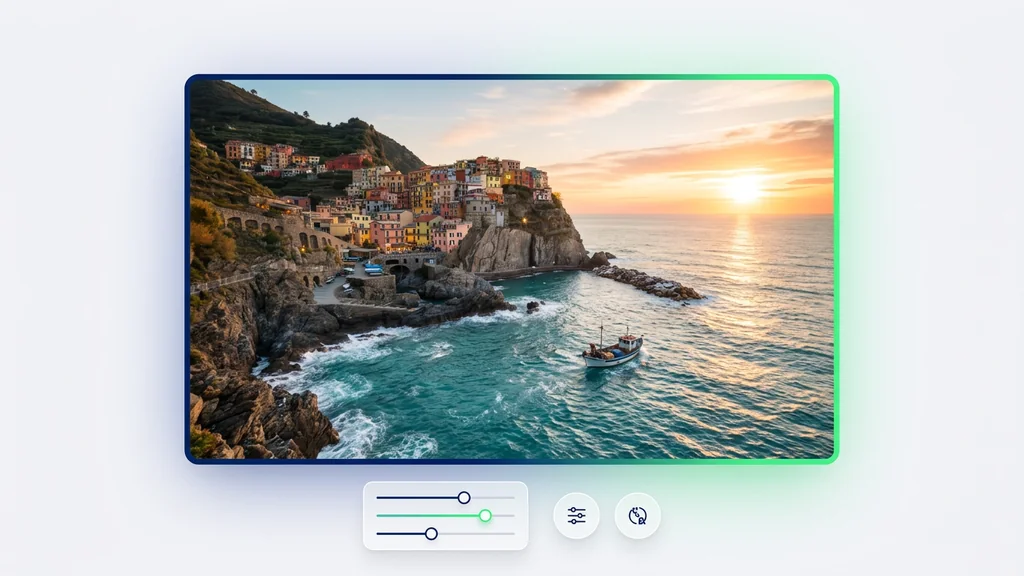
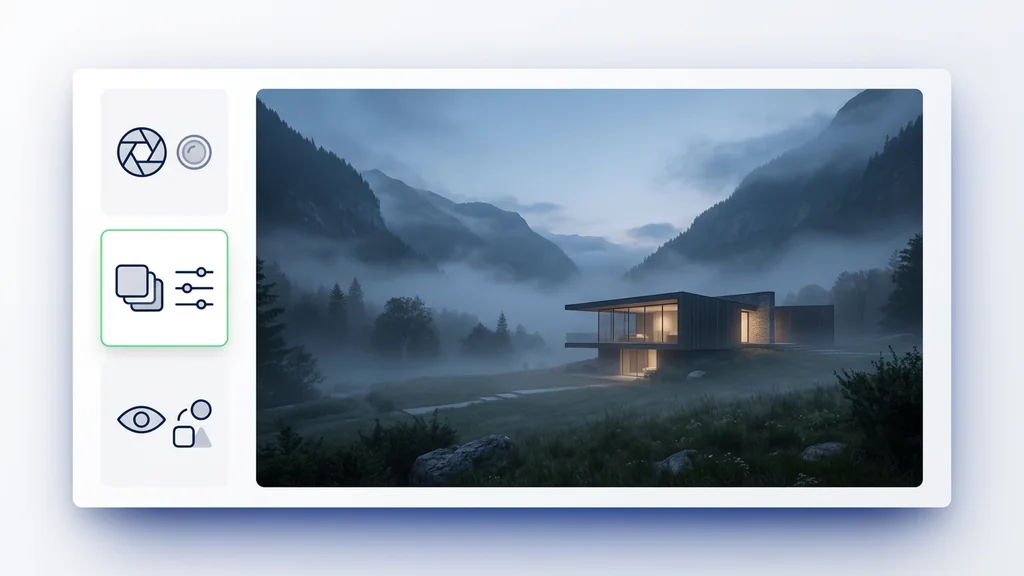
Testing reveals particular strengths in certain creative domains. Landscape and nature scenes demonstrate remarkable realism, with convincing physics for elements like water, clouds, and foliage. Character animations have improved substantially, though still show occasional artifacts with complex movements or close-up facial expressions.
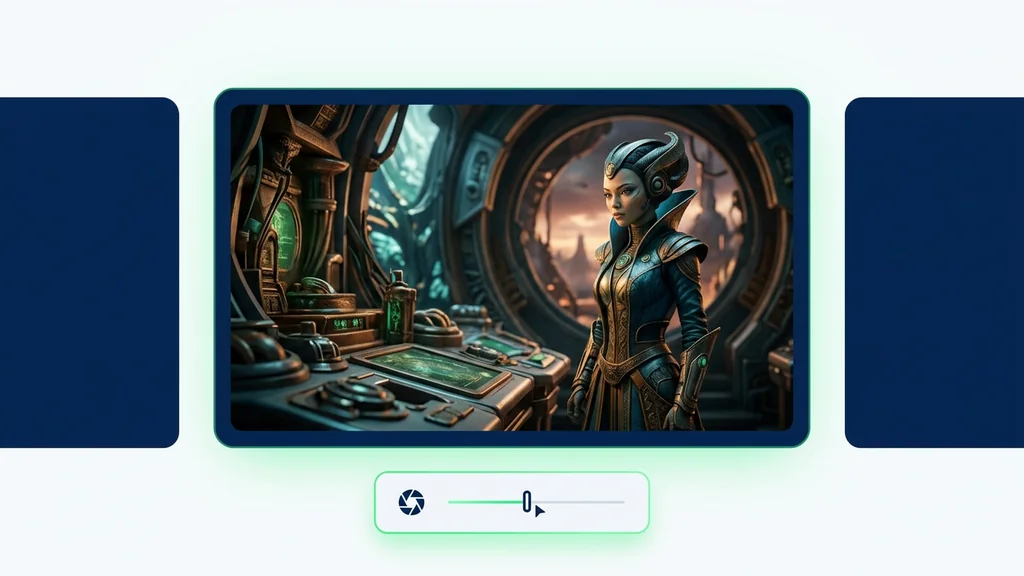
The technology's ability to understand and implement specific visual styles represents a particularly valuable feature for content creators. Prompts can reference film genres, directors, animation styles, or historical art movements to influence the aesthetic quality of the generated video—creating shortcuts to sophisticated visual treatments that would traditionally require extensive technical expertise.
The visual quality of Sora 2-generated videos varies considerably depending on content type and complexity. At its best, the system produces footage with remarkable photorealism that can be difficult to distinguish from captured video, particularly for natural environments, landscapes, and certain object interactions.
Resolution quality reaches up to 4K in optimal conditions, though higher resolutions typically require more generation time and consume more usage credits. Lighting conditions, reflections, and shadows demonstrate impressive physical accuracy, creating a sense of genuine three-dimensional space rather than flat computer-generated imagery.
Physics simulation shows significant improvement over the original Sora, with more convincing object movement, collision responses, and material properties. Water, cloth, and particle effects display particularly impressive behavior, though complex interactions between multiple objects can still produce occasional physics anomalies.
Areas where realism still faces challenges include close-up human faces (particularly with emotional expressions), complex hand movements, and certain fast-paced action sequences. The technology performs best with scenes that allow for some visual ambiguity rather than requiring precise technical accuracy in every detail.
Sora 2 introduces substantial audio generation capabilities, creating synchronized soundscapes to accompany video content. The system can produce ambient environmental sounds, basic sound effects, and rudimentary dialogue matched to on-screen action.
Audio generation works through similar AI processes as the video creation, analyzing the visual content and prompt context to determine appropriate sonic elements. The results vary in quality but generally provide convincing basic soundscapes that enhance the video's realism.
For optimal results, users can guide audio generation through specific prompt references to desired sounds. For example, adding "with the sound of gentle rain and distant thunder" to a storm scene prompt will produce more targeted audio results than relying on automatic generation alone.
Professional productions typically still replace or augment the AI-generated audio with custom sound design, using the generated audio primarily as a reference track or placeholder during early production phases.
Sora 2 offers improved control over cinematography elements, allowing users to specify camera movements and shot compositions within their prompts. The system can interpret directions for pans, zooms, tracking shots, and other standard camera techniques with reasonable accuracy.
Camera control works best when specified in clear, technical language rather than abstract descriptions. For instance, "a slow tracking shot moving from left to right, revealing a mountain landscape" yields more predictable results than vague directional guidance.
Multi-shot sequences can be achieved by describing scene transitions in prompts, though maintaining perfect continuity between shots remains challenging. The system handles standard transitions like cuts and fades reasonably well, but complex sequence shots still benefit from post-production editing to ensure smooth connections.
The Cameos feature represents one of Sora 2's most innovative capabilities, allowing users to create personalized videos featuring digital representations of themselves or authorized subjects. This functionality enables a new level of personalization but comes with substantial privacy considerations and technical limitations.
Setting up a Cameo requires the submission of multiple reference photos of the subject from different angles and with varied expressions. The system then builds a digital likeness that can be inserted into generated videos through specific prompt references.
OpenAI has implemented significant safeguards to prevent misuse of this technology, including robust identity verification, explicit consent requirements, and content filtering to prevent inappropriate or harmful deepfake creation. Users have granular control over how their digital likeness can be used, with options to revoke access at any time.
Current limitations include occasional uncanny valley effects with certain expressions, limited wardrobe options, and restrictions on portrayed activities to prevent misrepresentation or potentially harmful content.
Sora 2 can use existing images as starting points for video generation, a powerful feature for extending static visuals into motion content. This image-to-video capability interprets the visual information in reference images and applies movement, additional elements, and temporal development based on the accompanying text prompt.
The system works best with high-resolution, clearly defined images that provide strong visual information. Photos with good lighting, clear subjects, and minimal noise produce more predictable results than low-quality or ambiguous images.
Style transfer represents a particularly effective application of this feature, allowing users to apply the visual aesthetic from reference images to new video content. For example, uploading a painting and requesting "a landscape video in the style of this image" can produce footage with similar color palettes, brushstrokes, and compositional elements to the reference artwork.
The technology excels at transforming landscape photos, product images, and artistic works into motion content, though results with highly detailed portraits or complex technical imagery can be less consistent.
Sora 2 has found practical applications across numerous industries, with early adopters demonstrating its versatility for both creative and commercial purposes. Content creators have integrated the technology into existing workflows to enhance productivity, explore new creative directions, and achieve effects that would be prohibitively expensive or technically challenging through traditional means.
The technology shows particular promise in scenarios where rapid visualization, concept development, or content scale represents a challenge. For instance, marketing teams can generate multiple visual concepts for client review without expensive production shoots, while filmmakers can quickly test visual approaches before committing resources to full production.
The most successful implementations typically use Sora 2 as part of a broader creative toolkit rather than as a complete replacement for traditional production methods. This hybrid approach leverages AI generation for appropriate elements while maintaining human creative direction and quality control throughout the process.
Content creators and marketing professionals have quickly adapted Sora 2 to address common production challenges and expand creative possibilities. The technology enables rapid content iteration, allowing teams to test multiple concepts and approaches before committing to full production.
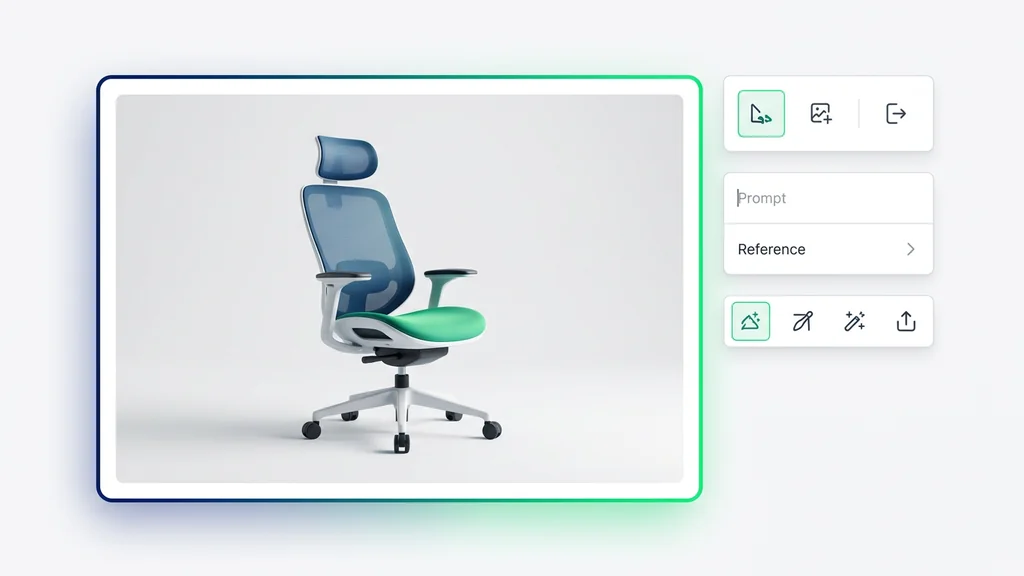
Social media marketers have found particular value in generating platform-specific content at scale. For instance, a clothing brand might create dozens of environmental variations showing products in different settings and contexts—a task that would require multiple location shoots using traditional methods.
One notable campaign example comes from a travel company that generated destination preview videos for over 50 locations in a single week—a task that would typically require months of location shooting and substantial budget. The resulting content delivered engagement rates comparable to traditionally produced videos at a fraction of the cost and production time.
Product demonstrations represent another effective application, allowing marketers to show items in use across various contexts without physical prototypes or elaborate staging. This approach proves particularly valuable for early-stage products, seasonal planning, or situations where physical production faces logistical challenges.
Filmmakers and visual artists have integrated Sora 2 into creative workflows as a previsualization and conceptual development tool. Rather than replacing traditional production, the technology serves as an exploratory medium allowing rapid testing of visual approaches before committing resources to full production.
Storyboarding represents one of the most immediately valuable applications, enabling directors and cinematographers to quickly visualize scene compositions, camera movements, and timing. This approach accelerates the traditional storyboarding process while providing more realistic visualization than static drawings.
Animation directors use the technology to create reference footage and motion studies, generating base animations that can be refined by traditional animators. This workflow combines AI efficiency with human artistic refinement, preserving creative control while reducing production time.
Independent filmmakers find particular value in generating establishing shots and environmental elements that would otherwise require expensive location shooting or complex visual effects. For example, a low-budget production might use Sora 2 to create aerial city views, period settings, or extreme weather conditions that exceed practical production capabilities.
Visual artists incorporate the technology as part of mixed-media approaches, using generated footage as raw material for further manipulation, processing, and artistic interpretation rather than as finished products.
Enterprise adoption of Sora 2 spans multiple sectors, with implementations tailored to specific business requirements through Azure AI Foundry integration and custom development. Large organizations typically access the technology through enterprise agreements that include enhanced security, compliance features, and technical support appropriate for commercial applications.
Corporate video production teams use the technology to reduce costs for internal communications, training materials, and customer-facing content. This approach proves particularly valuable for organizations with regular video needs that would traditionally require studio time and production crews.
| Pricing Tier | Features | Approximate Cost | Target User |
|---|---|---|---|
| Basic | Limited resolution, 30-second maximum | $12.99/month | Individual creators |
| Professional | 4K resolution, 60-second maximum | $49.99/month | Content professionals |
| Team | Multiple users, advanced features | $199/month | Small studios |
| Enterprise | Custom integration, SLA, compliance | Custom pricing | Large organizations |
ROI analysis from early enterprise adopters suggests significant cost advantages for organizations with regular video production needs. One manufacturing company reported 70% cost reduction for product demonstration videos while increasing production volume by 300% after implementing Sora 2 through Azure AI Foundry, with the technology effectively paying for itself within the first quarter of implementation.
While Sora 2 represents a significant advancement in AI video generation, understanding its limitations and ethical implications is essential for responsible use. The technology faces both technical constraints that affect output quality and broader ethical questions regarding potential societal impact.
OpenAI has implemented substantial safeguards to prevent misuse, including content filters that restrict generation of violent, explicit, or potentially harmful material. These moderation systems analyze both input prompts and generated content to ensure compliance with usage policies.
Responsible users should consider not just what can be created with this technology but what should be created, weighing creative possibilities against potential harms. The most effective applications leverage the technology's strengths while acknowledging its limitations and implementing appropriate ethical guardrails.
Despite its impressive capabilities, Sora 2 exhibits several consistent technical limitations that affect output quality under specific circumstances. Understanding these constraints helps users develop effective workarounds and set realistic expectations for different generation scenarios.
Complex physics interactions remain challenging, particularly when multiple objects interact simultaneously or when unusual material properties come into play. For example, a scene with multiple characters engaged in physical contact or objects with complex mechanical interactions may show physics anomalies.
| Technical Limitation | Description | Recommended Workaround |
|---|---|---|
| Complex hand movements | Unnatural finger positions and movements | Avoid close-up hand interactions or obscure hands when possible |
| Facial micro-expressions | Uncanny quality in emotional expressions | Use medium shots rather than extreme close-ups for emotional moments |
| Text rendering | Gibberish or inconsistent text in scenes | Add text in post-production rather than generating it |
| Multi-object physics | Unrealistic interactions between multiple items | Simplify physical interactions or break into separate elements |
| Consistent identities | Character appearance drift over time | Use shorter sequences or consistent lighting to minimize drift |
Motion rendering for specific activities like dancing, martial arts, or sports can produce awkward movements that fall into the uncanny valley. These limitations appear most pronounced when the activity requires precise coordination or follows specific technical rules that the AI hasn't fully learned.
Users achieve the best results by working with these limitations rather than against them—designing prompts that leverage the technology's strengths while avoiding its current weaknesses.
OpenAI's implementation of Sora 2 raises important privacy considerations regarding data collection, storage, and usage. Understanding these practices helps users make informed decisions about how they interact with the platform.
The system collects several types of data during normal operation, including prompt text, generated video content, user interaction patterns, and feedback signals. This information serves multiple purposes: improving the model through training, personalizing user experiences, and enforcing content policies.
| Data Type | Linked to Identity? | Usage | User Control |
|---|---|---|---|
| Prompt text | Yes | Model training, personalization | Can opt out of training use |
| Generated videos | Yes | Quality improvement, policy enforcement | Deletion options available |
| Reference images | Yes | Generation processing | Temporary storage only |
| Usage patterns | Yes | Service improvement, recommendations | Limited control options |
| Device information | Yes | Technical optimization | Minimal collection setting available |
For professional users handling sensitive content, the enterprise offering through Azure AI Foundry provides enhanced privacy controls, data residency options, and compliance features aligned with regulatory requirements. These enterprise-grade protections offer a more appropriate environment for handling confidential or commercially sensitive material.
The legal landscape surrounding AI-generated video remains evolving, with significant questions about copyright ownership, intellectual property rights, and fair use. While definitive legal precedent is still developing, understanding the current framework helps creators navigate potential pitfalls.
Under OpenAI's terms of service, users generally retain rights to output they generate, provided the prompts and usage comply with platform policies. However, OpenAI maintains certain licenses to use generated content for service improvement and promotional purposes unless specifically opted out.
Copyright status of AI-generated videos exists in a gray area in many jurisdictions. The U.S. Copyright Office has taken the position that wholly AI-generated content lacks human authorship required for copyright protection, while human-guided generation with significant creative input may qualify for limited protection.
| Platform | Copyright Approach | User Rights | Platform Rights |
|---|---|---|---|
| Sora 2 (OpenAI) | User retains rights with limitations | Commercial use permitted | License for improvement and promotion |
| Krea | User owns output with attribution requirement | Commercial license available | Training and showcase rights |
| Higgsfield | Shared rights model | Personal and commercial use | Broader usage rights |
| Azure AI Foundry | Enterprise-focused rights model | Full commercial ownership | Limited usage rights |
For professional applications, establishing clear documentation of the creative process helps demonstrate the human authorship component that may strengthen copyright claims. This includes saving prompt iterations, creative decisions, and post-processing steps that transform raw generation into final creative works.
The trajectory of AI video generation technology points toward continued rapid advancement, with several clear development patterns emerging from research trends and industry signals. As computational efficiency improves and training methodologies evolve, we can expect significant capability expansion in upcoming iterations.
Industry analysts project several likely development directions based on current research focus areas and technical challenges. Temporal consistency—maintaining coherent scenes over longer durations—represents a primary advancement target, with research suggesting potential breakthroughs that could enable several minutes of consistent narrative video rather than the current one-minute limitation.
Integration with complementary AI systems appears inevitable, with specialized models handling different aspects of the creative process working in concert. For instance, dedicated audio generation systems may provide more sophisticated soundtracks while specialized character animation models could enhance human movement quality.
These advancements will likely transform creative workflows across industries while raising new questions about content authenticity, media literacy, and the evolving relationship between human creativity and AI assistance. The most productive perspective views this technology as expanding creative possibilities rather than replacing human creativity.
While OpenAI maintains a relatively closed development process, certain upcoming features and improvements can be reasonably anticipated based on published research, pattern analysis, and early access reports. Near-term development appears focused on addressing current limitations while expanding creative control options.
Extended duration represents the most frequently requested enhancement, with development reportedly focused on enabling 2-3 minute consistent videos rather than the current 60-second maximum. This advancement would significantly expand narrative possibilities while requiring substantial improvements in temporal consistency management.
Integration improvements with existing creative tools appears to be another development priority, with plugins for major editing platforms and improved export options for professional workflows. Early access testers report seeing expanded format support and better metadata preservation for post-processing.
These anticipated improvements address current friction points identified through user feedback while extending the technology's creative capabilities. However, it's important to distinguish these projections from confirmed features, as official announcements remain the only definitive source of roadmap information.
The emergence of advanced AI video generation technology like Sora 2 presents both opportunities and challenges for creative professionals across industries. Rather than simply replacing traditional roles, the technology appears to be reshaping workflows and creating new specializations while potentially eliminating certain routine production tasks.
Film and video production faces significant workflow evolution, with AI generation increasingly handling aspects like establishing shots, background plates, and visual effects elements. Directors and cinematographers find themselves working with hybrid approaches that combine traditional filming with AI-generated elements for greater flexibility and reduced production costs.
The animation industry experiences similar transformation, with AI systems handling initial animation passes that human animators then refine and enhance. This collaborative workflow maintains the artistic quality and intentionality of human animation while accelerating production timelines.
Professionals adapting most successfully to this changing landscape approach the technology as an expansion of their creative toolkit rather than a replacement for their expertise. By focusing on the uniquely human aspects of creativity—storytelling, emotional resonance, cultural context, artistic vision—creative professionals can leverage AI capabilities while maintaining their essential role in the creative process.
Sora 2 represents a significant milestone in the evolution of AI-generated video, offering content creators unprecedented tools for visual expression while challenging traditional production paradigms. The technology delivers on much of its promise—creating remarkably realistic video content from text descriptions—while still showing room for growth in specific technical areas.
For content creators, the most effective approach combines an understanding of the technology's capabilities and limitations with thoughtful consideration of how it can enhance rather than replace human creativity. The most impressive results come from users who view Sora 2 as a collaborative tool rather than an autonomous creator—a sophisticated instrument requiring skilled direction.
As the technology continues to evolve, the relationship between human creativity and AI assistance will likely develop into more sophisticated collaboration rather than replacement. Content creators who explore these new possibilities while maintaining their unique creative perspective will find themselves well-positioned to thrive in this transformative period for visual media production.
Sora 2 is OpenAI's second-generation text-to-video AI model that generates high-quality, realistic video content from written descriptions. It improves upon the original Sora with better physics simulation, more consistent character movement, and extended video duration capabilities of up to 60 seconds.
To generate videos with Sora 2, create a new project in the app, enter a detailed text description of your desired video, adjust settings like duration and aspect ratio, then tap the generate button. The more specific your description, the better your results will be.
Sora 2 offers significant improvements over the original model including longer video duration (up to 60 seconds vs. 30 seconds), better physics simulation for realistic object interactions, improved character movements, enhanced temporal consistency, and integrated audio generation capabilities.
Sora 2 is primarily available through the official iOS app, with Android access coming soon. Enterprise users can access it through Azure AI Foundry, while developers can integrate functionality via API. Partner platforms like Krea and Higgsfield also offer Sora 2 capabilities.
Pricing varies by access method and usage level. The basic mobile app subscription starts around $12.99/month, professional tiers at $49.99/month, while enterprise pricing through Azure AI Foundry uses custom quotes based on volume and feature requirements.
Yes, Sora 2 can generate synchronized audio to accompany videos, including ambient environmental sounds, basic sound effects, and limited dialogue. Audio quality varies but generally provides convincing soundscapes that enhance video realism.
The Cameos feature allows users to create personalized videos featuring digital representations of themselves or authorized subjects. It requires submitting multiple reference photos and completing identity verification, with robust privacy controls to prevent misuse.
Sora 2 generally offers superior physics simulation, longer duration capabilities, and better temporal consistency than most competitors. Its integration with OpenAI's broader ecosystem provides advantages, though specialized alternatives may excel in specific applications like character animation or stylized content.
Sora 2 excels at creating realistic environments, natural phenomena, and general scene composition. Current limitations include inconsistent handling of complex hand movements, occasional facial animation issues, challenges with text rendering, and physics anomalies during complex multi-object interactions.
OpenAI implements multiple safeguards against deepfake misuse, including content filters that prevent generating harmful material, identity verification requirements for Cameos, digital watermarking of all generated content, and robust content moderation systems that analyze both prompts and outputs.
Yes, Sora 2 can extend existing videos by generating additional content that maintains visual consistency with the original footage. It can also transform static images into motion content. However, precise editing of specific elements within existing videos remains limited.
Under OpenAI's terms, users generally retain rights to content they generate, though OpenAI maintains certain licenses for service improvement. The system includes safeguards against direct copyright infringement, and users should avoid generating content that closely mimics specific copyrighted works.