Trinn 01 — Last opp et bilde og beskriv skuddet
Legg til et stillbilde, og beskriv så kamerabevegelsen du ønsker, slik at den føles planlagt og ikke tilfeldig.
Kjør Higgsfield-modellen via Cleep AI for å gjøre stillbilder om til korte videoklipp med troverdig lyssetting, jevn kamerafølelse og raskere levering med prioritert kø.
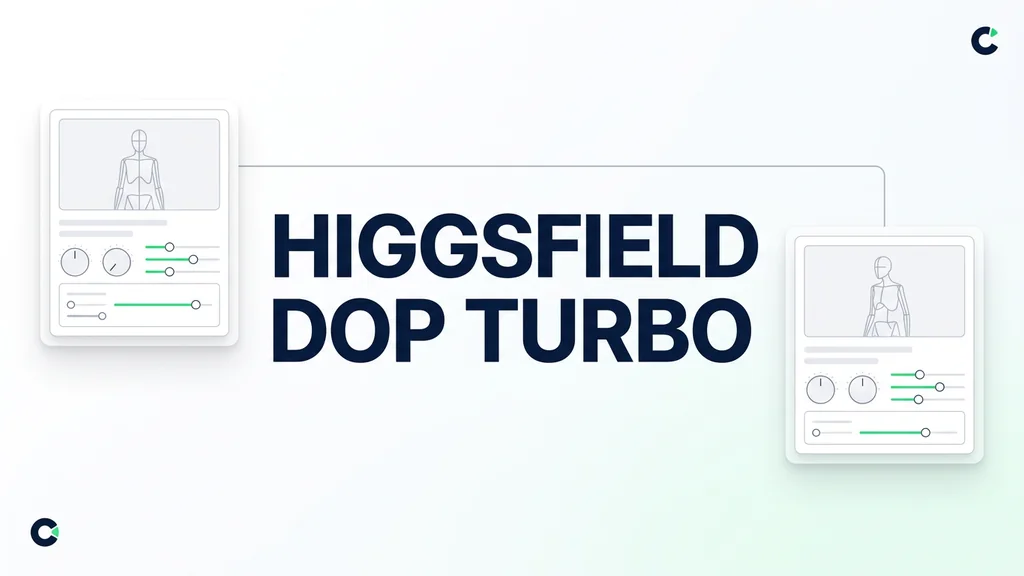
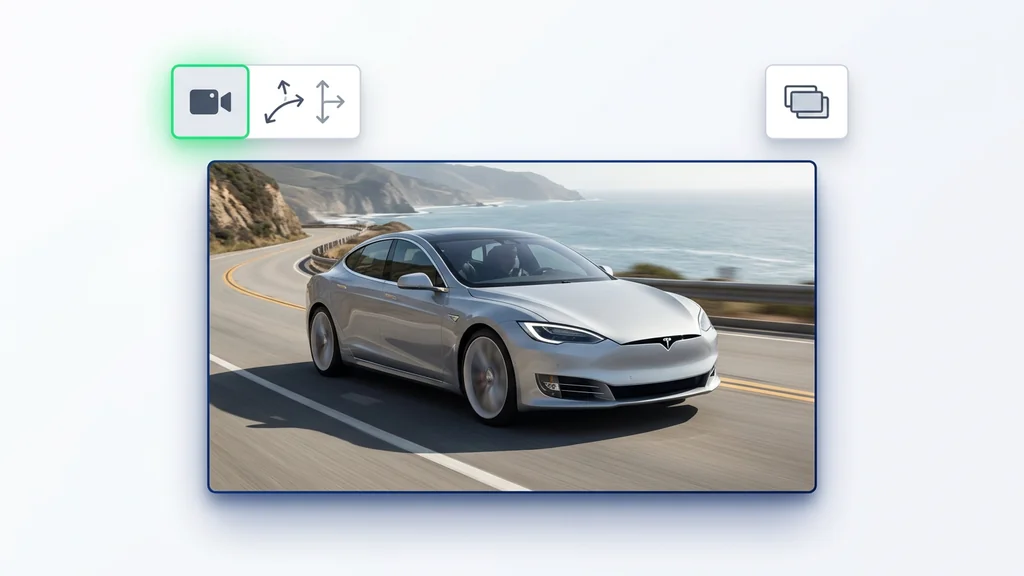
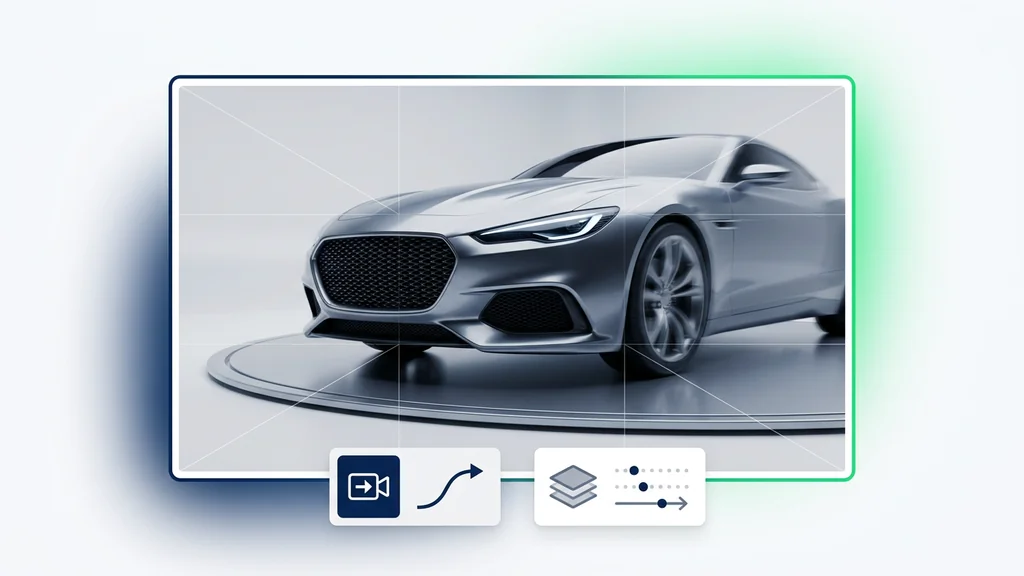
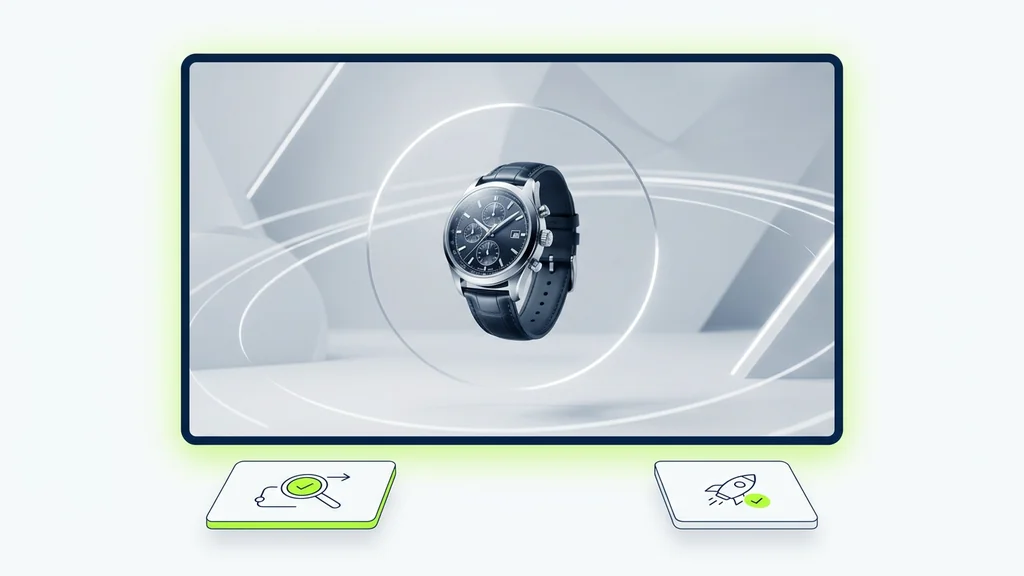
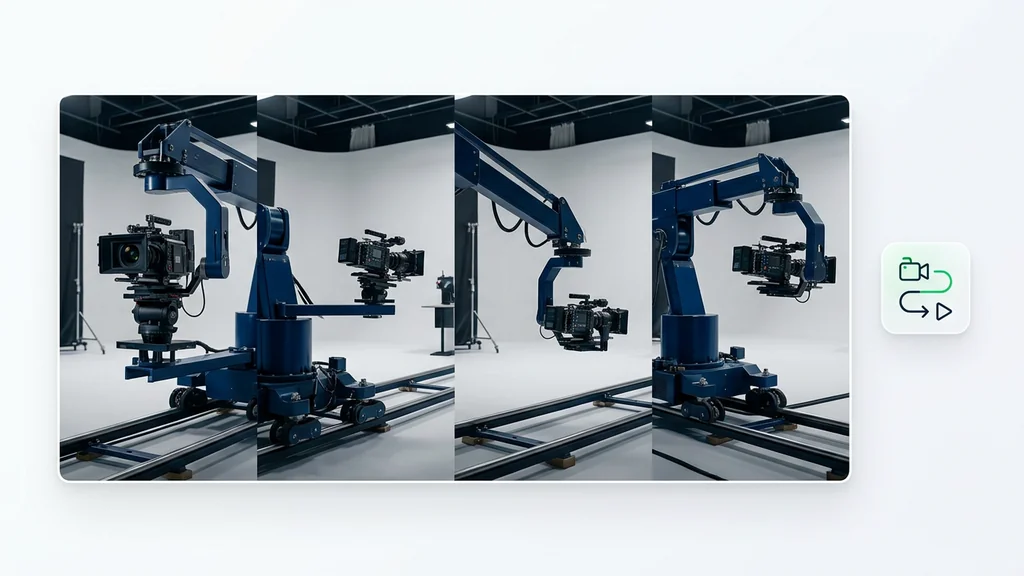
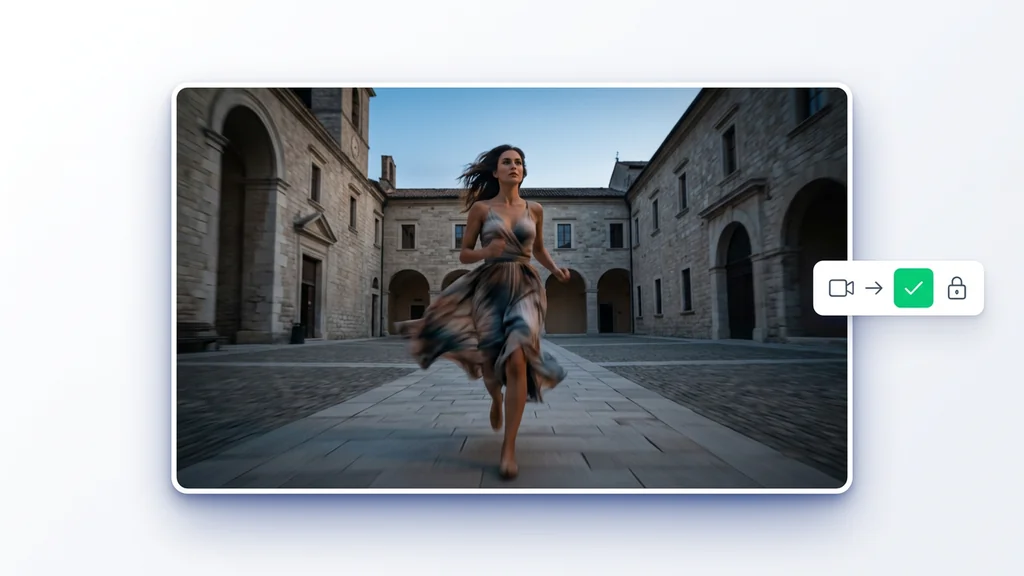
Fra en prompt til en kontrollert kamerabevegelse — ingen oppsett, ingen plugins, ingen Discord.
Legg til et stillbilde, og beskriv så kamerabevegelsen du ønsker, slik at den føles planlagt og ikke tilfeldig.
Velg utdataoppløsning og kliplengde som passer der skuddet skal vises.
Klikk på generer og vent noen minutter. Higgsfield DoP Turbo lager skuddet ditt. Last det ned, eller finjuster kamerabevegelsen og kjør på nytt.
Last opp et stillbilde som utgangspunkt og velg om du vil legge til en ansiktsreferanse for å holde identiteten stabil. Beskriv ønsket bevegelse (for eksempel kamerapanorering, subtilt vinddrag eller en kort handling) og kjør jobben. Resultatet leveres som et kort videoklipp, og med prioritert køtilgang får teamet raskere gjennomstrømning når flere jobber skal ut samtidig.
Verktøyet passer godt til produktteasere der et hero-bilde kan få liv med kontrollert bevegelse og lysrealistikk. Det fungerer også til kampanjevarianter for SoMe, der samme motiv kan rendres i flere uttrykk uten å filme på nytt. For kreative team i Norge betyr det raskere iterasjon mellom brief og leveranse, spesielt når prioritert behandling er aktivert.
Sjekk først lyskontinuitet: skygger, refleksjoner og fargetemperatur bør holde seg stabile fra første til siste frame for å unngå «flimring». Deretter verifiser bevegelsen i kanter og detaljer (hender, hår, logoer) og juster bevegelsesbeskrivelsen om noe «smelter» eller drifter. En rask forhåndsvisning gjør det enkelt å godkjenne klippet før eksport til kampanjeformat.
Cleep AI gir en ryddig måte å kjøre Higgsfield-modellen på, med tydelige innganger (målbilde og valgfri identitetsreferanse) og forutsigbar leveranse av klipp. Når produksjonen topper seg, gir prioritert kø og prioritert behandling kortere ventetid og mer stabil planlegging. Dette gjør det enklere å skalere variantproduksjon uten å kompromisse på lysrealistikk og helhetsinntrykk.
Kjør neste bilde-til-video-jobb i Cleep AI og få en arbeidsflyt som er laget for tempo: last opp, forhåndsvis og lever. Aktiver prioritert behandling for å få jobber gjennom køen raskere når flere varianter skal produseres samtidig. Start med et hero-bilde fra kampanjen og bygg et sett med korte klipp som matcher lys og uttrykk.