Verification: 234cbc2215f1fb96
Pricing
0
4 / 4
720p
16:9

Super Promotion

90% OFF

Create stunning AI photos & videos with essential tools

Unlock the Basic Plan for just $1

Auto-renewal is active. Cancel anytime. 90% off applies to the first billing cycle.

By choosing your age and continuing you agree to our Terms of Use and Privacy Policy
Please review before continuing

Higgsfield Soul AI Image Generator

The old version of this page pointed people toward a generic “170+ effects” promise. That is not what the official Higgsfield Soul page or the newer Soul 2.0 product page actually emphasize. Higgsfield positions Soul as a high-aesthetic image model for fashion-aware, culture-native, realistic generation, with outputs that are supposed to feel art-directed rather than randomly polished.

That changes how this route should be read on Cleep. In our live model configuration, /generate/image/higgsfield-soul-standard is a text-to-image route with prompt, aspect ratio, resolution, output count, and style controls. It is not an everything page. It is most useful when you want editorial portraits, campaign stills, lifestyle shots, artist visuals, or social ad images that need taste, believable human texture, and a strong first frame.

The wider official Soul ecosystem adds more context. Higgsfield's own pages highlight 20+ curated presets, text or image as a starting point, Soul ID personalization, and creative-direction use cases like campaigns, UGC, personalization, and ads. That does not mean every official Soul feature is exposed in the current Cleep route. It does mean we can finally describe the page honestly: use Soul when the brief is image-first, aesthetic-first, and people-first, not when the job is mostly typography, diagram logic, or heavy downstream editing.

Quick Answer

Start with Higgsfield Soul when you want a stylish first image for editorial portraits, fashion-forward lifestyle scenes, campaign stills, music visuals, or social ads that need a more directed photographic feel than a generic text-to-image route.

The key primary sources behind this guide are the official Higgsfield Soul page, the official Soul 2.0 introduction, and the official blog post SOUL 2.0: A Photorealistic AI Image Generator Built for Creative Direction. I also checked the live Cleep model configuration for route-specific limits such as aspect ratios and resolutions.

What Higgsfield Soul is actually best at

Soul is easiest to value when the image needs a point of view. Higgsfield's own product language keeps returning to the same idea: realistic visuals with built-in taste, spontaneous poses, authentic expressions, and modern cultural fluency. That is a very different promise from “cheap generic image generation.”

In practice, that makes this route strongest for creative work that should already look pitched, styled, or art-directed in the first draft. Campaign mood frames, UGC-style lifestyle scenes, personal-brand portraits, artist visuals, product-led social ads, and fashion look development all make sense here. You are not using Soul because it can technically draw anything. You are using it because you want the output to feel like a shot someone chose, not a render someone settled for.

It is also important to say what this route is not best at. If the asset is mostly about text inside the frame, infographic logic, product relabeling, or local edits to an existing image, routes like Qwen, Ideogram, or Kontext Pro are usually a better match. Soul is at its best when the frame itself carries the value.

Editorial capability board for Higgsfield Soul showing campaign portraits, preset-driven aesthetics, and taste-first image directions
Read Higgsfield Soul as a taste-first photo route: strong first frame, preset-led direction, and a better fit for campaigns, lifestyle visuals, and artist imagery than for text-heavy layouts.

Editorial aesthetics are the core promise

The official Soul 2.0 page describes the model as built for creative, fashion-aware, culture-native generation with art-directed visual taste rather than generic realism.

Presets matter here

Higgsfield says Soul 2.0 launched with 20+ curated presets, which explains why the route often works better when you steer toward a clear vibe than when you pile on endless descriptive nouns.

Identity consistency is part of the ecosystem

The official product pages place Soul ID at the center of the platform story, especially for creators who need a recognizable face or persona across multiple scenes.

Cleep exposes the clean generation lane

Our route configuration is simpler than the full Higgsfield platform story, which is why this page should focus on promptable still-image work rather than pretending every Soul workflow is available here today.

What the official Soul sources actually confirm

A strong programmatic page becomes much more useful once it stops inventing benchmark culture and starts translating source material into decisions a real user can make. Higgsfield's official pages give us enough confirmed detail to do that cleanly.

Area Officially confirmed What it means on this route
Model identity The official Soul 2.0 page describes Soul as a foundation image model for creative, fashion-aware, culture-native generation. This page should position Soul around aesthetic direction and realistic people-first imagery, not as a generic image tool with random effects.
Realism style The same page highlights spontaneous poses, unexpected angles, authentic expressions, natural textures, and life-like authenticity. Soul makes the most sense for portraits, lifestyle scenes, and campaign stills that should feel shot rather than over-rendered.
Generation modes in the wider official product Higgsfield says Soul supports text prompts and image reference as starting points. The broader official product is more flexible than the current Cleep route, so this guide separates official ecosystem features from what Cleep exposes right now.
Presets The official product page says Soul launched with 20+ curated presets. Prompting works better when you anchor the request in a clear aesthetic lane instead of writing a vague “make it beautiful” paragraph.
Soul ID The official FAQ says Soul ID keeps identity locked across style, pose, and lighting, and requires a minimum of 20 photos with about 3 minutes of training. Identity consistency is part of the official Soul ecosystem, even if the current Cleep route is focused on the simpler generation lane.
Commercial rights The official FAQ says Soul-generated images can be used commercially. That makes Soul more relevant for brand, ad, creator, and client-facing work than the old page suggested.
Official use cases Higgsfield explicitly lists UGC & Lifestyle, Campaigns & Editorials, Personalization, Music & Entertainment, Social Media Ads, and Virtual Influencers & Avatars. These are the real use-case clusters this page should target instead of generic “AI art” intent.
Cleep route fields The live Cleep configuration for higgsfield-soul-standard uses prompt, aspect ratio, resolution, output count, and style_id. The most honest Cleep framing is high-aesthetic still generation with controlled output setup, not a full edit suite.
Cleep image formats The current route supports 16:9, 9:16, 1:1, 4:3, and 3:4, with 720p and 1080p output options. You can plan Soul outputs for feed posts, story crops, square assets, and landscape campaign stills without forcing the same composition into every format.
Route pace The Cleep model configuration estimates roughly 10–30 seconds for a generation. This is a practical ideation and review tool, not a slow boutique rendering workflow.

How to prompt Higgsfield Soul without getting generic results

The quickest way to waste Soul is to ask for “a beautiful photo” and expect the model to do the creative direction for you. Soul responds better when the prompt sounds like a brief for a photographer, stylist, or art director. You need to specify the subject, the cultural lane, the mood, the camera feeling, the wardrobe or material cues, and the crop.

It also helps to decide what kind of realism you want. Higgsfield's own examples lean into candid phone-camera energy, controlled editorial light, Y2K flash, ambient fashion, and other preset-like visual lanes. That means you should tell Soul whether the image is supposed to feel like a campaign still, a candid social capture, a glossy artist portrait, or a branded ad visual with negative space.

Finally, keep the route honest. If the brief mainly depends on readable text, layout structure, or surgical edits to an existing image, Soul is not the best place to force the job. Use it where it shines: taste, character, atmosphere, believable people, and a strong first visual statement.

Prompt board for Higgsfield Soul showing editorial shot direction, candid lifestyle framing, ad-copy negative space, and artist persona cues
The best Soul prompts read like creative direction: who is in frame, what visual culture it belongs to, how the camera feels, and where the image will be used.
Prompt Pattern 1

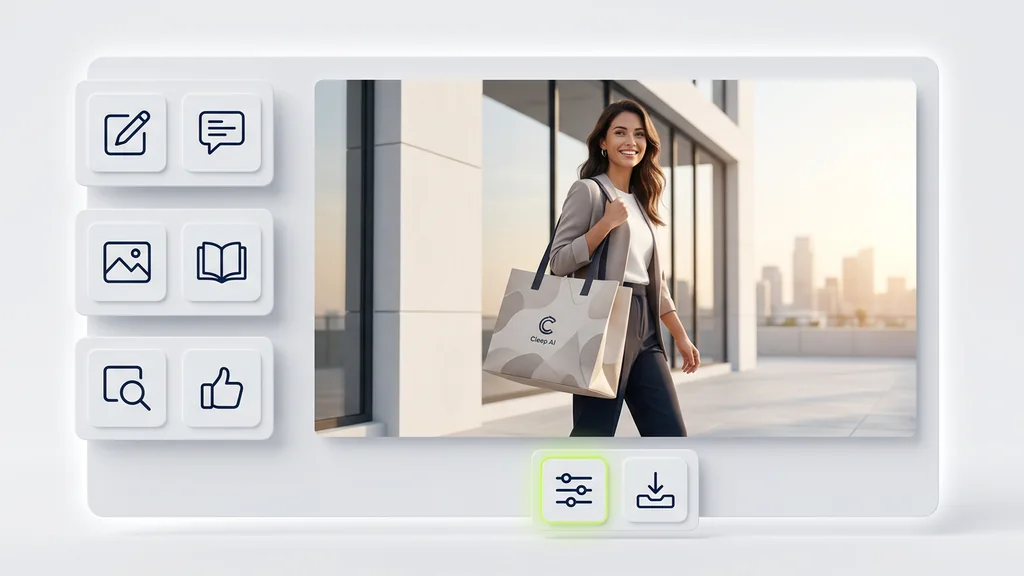
Use it for lifestyle UGC: keep the frame casual, believable, and specific.

Prompt: Create a candid iPhone-style lifestyle photo of a woman in an oversized oat knit sweater standing outside a neighborhood coffee shop on a cloudy morning, soft natural skin texture, slightly tilted framing, relaxed expression, everyday premium feel.

Prompt Pattern 2

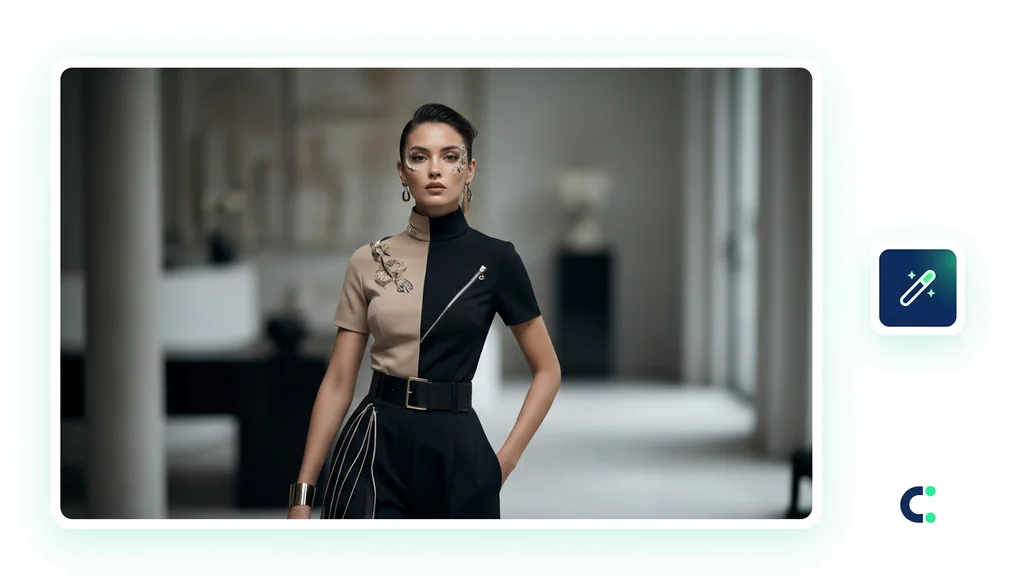
Use it for editorial fashion stills: define styling, light, and shot distance.

Prompt: Create an editorial portrait of a young musician in a dark tailored coat with silver jewelry, photographed in moody theatrical side light against a deep blue studio backdrop, medium shot, subtle film grain, art-directed but believable realism.

Prompt Pattern 3

Use it for campaign visuals: make room for the marketing job the image has to do.

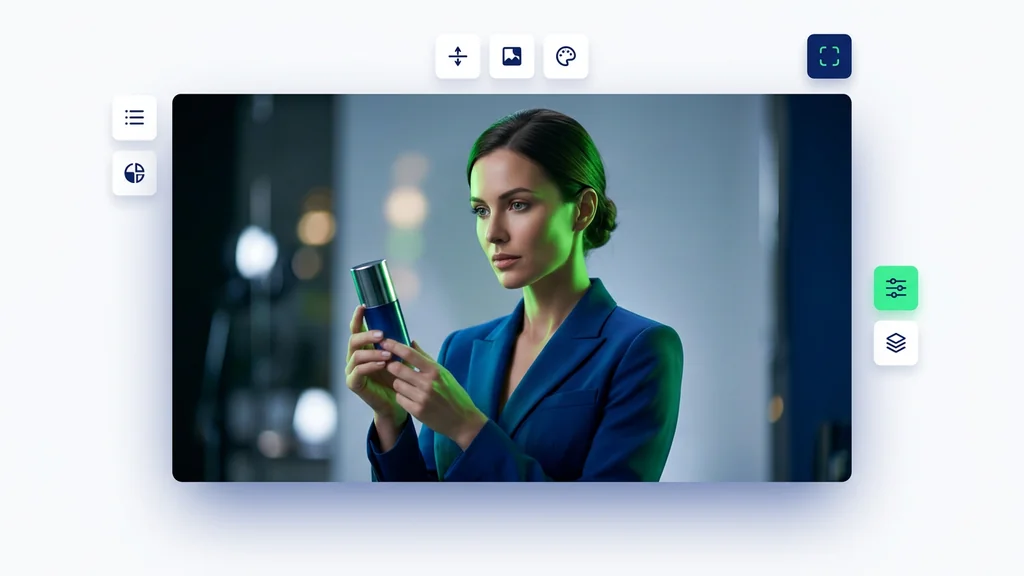
Prompt: Create a 4:5 social campaign still for a clean skincare brand, elegant model holding a frosted bottle, warm ambient bathroom light, premium realism, product clearly visible, generous negative space at top left for headline copy.

Prompt Pattern 4

Use it for artist or persona work: define identity cues and cultural references, not only color words.

Prompt: Create a street-style artist portrait with early-2000s digital-camera energy, oversized leather jacket, red hair, silver chains, direct flash, slightly imperfect crop, cool confrontational posture, realistic skin and fabric detail.

Where Soul fits best in real workflows

This route is strongest when the team needs a tasteful still image fast enough to review. Soul can give you a lead visual, a campaign direction, a persona frame, or a social-ad image that already feels like it belongs to a creative system. That is valuable long before a full production shoot is locked.

It is not only for fashion brands. Higgsfield's own use cases also point toward UGC, entertainment, avatars, and ad work. The common thread is that the frame needs to carry taste and identity, not just literal prompt compliance.

Use case Why Soul fits What to specify
Campaigns & editorials The official product pages position Soul for polished, styled, art-directed visuals. Wardrobe, light direction, shot type, emotional temperature, and where the frame sits in the campaign story.
UGC & lifestyle content Higgsfield explicitly calls out lifestyle content at scale without losing aesthetic quality. Phone-camera feel, environment, body language, everyday materials, and how polished or casual the image should remain.
Social media ads The official use-case list includes scroll-stopping ad creatives with multiple visual directions. Product visibility, crop, negative space for copy, brand mood, and whether the ad should feel glossy or candid.
Music & artist visuals Soul is well suited to persona-led imagery where styling and cultural cues matter as much as realism. Scene identity, wardrobe, flash or ambient light, subculture references, and the level of polish.
Personal branding The wider Soul ecosystem includes Soul ID, which makes identity consistency part of the official story. The look of the person, the tone of the personal brand, and whether the route is setting direction or trying to lock repeatable identity.
Virtual influencer or avatar concepting Higgsfield explicitly includes virtual influencers and avatars among Soul use cases. The persona's recurring traits, the platform context, and the visual lane that should stay consistent across outputs.

How to choose Soul vs nearby image routes

Good SEO pages help the user choose instead of declaring every model “best.” Soul wins when the image brief is about tasteful photoreal direction. It becomes weaker when the task is primarily about text, diagrams, layout precision, or edit-heavy revision.

Choose Higgsfield Soul

when the first image needs to feel editorial, fashion-aware, culturally current, and visually directed from the start.

Compare with Krea

when the job is more exploratory, stylized, or mood-led than people-led.

Compare with Imagen 4 Ultra

when you care more about pristine realism and premium finish than about Soul's taste-driven cultural framing.

Compare with Qwen

when the asset behaves more like a poster, slide, structured card, or text-aware layout.

Compare with Ideogram

when typography and readable words inside the image become the main event rather than the atmosphere of the shot.

Compare with Kontext Pro or Nano Banana

when the real workflow is editing or revising an existing image instead of generating a new taste-first still.

Workflow board for Higgsfield Soul showing direction setting, use-case lanes, and when to compare another route for text or editing work
Soul works best as a first-frame route: set the look, review the visual direction, then decide whether the next step stays in Soul or moves to a text-heavy or edit-heavy model.
  • Write the image like a real brief: subject, styling, camera feel, environment, and why the image exists.
  • Pick an aesthetic lane early: candid phone capture, ambient fashion, flash portrait, campaign still, or artist visual.
  • Use Soul for the frame, not the diagram: if words or layouts matter most, switch to a text-first route.
  • Plan the crop from the start: Soul supports landscape, portrait, and square formats on Cleep, so ask for the frame you actually need.
  • Know when to compare another model: editing, relabeling, and infographic work are not Soul's clearest zone.

What we verified for this guide

This rewrite is grounded in Higgsfield's own product material and the live Cleep route configuration. The main factual references are the official Higgsfield Soul page, the official Soul 2.0 introduction, and the official blog post SOUL 2.0: A Photorealistic AI Image Generator Built for Creative Direction. I removed the stale “170+ effects” framing because it does not match the current official Soul positioning, and I separated wider platform capabilities like Soul ID from the narrower text-to-image flow that Cleep exposes on this route today.

Frequently Asked Questions About Higgsfield Soul

What is Higgsfield Soul?

According to Higgsfield's official product pages, Soul is a foundation image model built for creative, fashion-aware, culture-native generation with realistic, art-directed output.

What kind of work is Soul best for?

Soul is best for editorial portraits, lifestyle visuals, campaign stills, music imagery, ad creatives, and other people-led photorealistic work where visual taste matters.

Does Soul support image reference?

The official Higgsfield product says Soul supports both text prompts and image reference. The current Cleep route, however, is configured as a simpler still-image generation lane.

What is Soul ID?

Soul ID is Higgsfield's identity system for keeping the same person or digital character consistent across different styles, poses, and lighting setups.

How many photos does Soul ID need?

The official Higgsfield FAQ says Soul ID needs a minimum of 20 photos and takes about 3 minutes to train.

Can Soul-generated images be used commercially?

Yes. Higgsfield's official FAQ says Soul-generated images are available for commercial use.

What output formats does this Cleep route support?

The current Cleep configuration supports 16:9, 9:16, 1:1, 4:3, and 3:4 aspect ratios, with 720p and 1080p output options.

When should I compare Soul with Qwen or Ideogram?

Compare them when readable text, slide structure, poster layout, or typography becomes more important than the atmosphere and taste of the image itself.

When should I use another route for editing?

If your main job is revising an existing image, swapping text, or doing local edits, routes like Kontext Pro or Nano Banana are usually a stronger fit.

What is the best way to prompt Soul?

Treat the prompt like creative direction: define the subject, styling, light, camera feel, emotional tone, and where the image will be used. That works better than generic “make it beautiful” language.