Loading library...
Super Promotion
Create stunning AI photos & videos with essential tools
Unlock the Basic Plan for just $1
Auto-renewal is active. Cancel anytime. 90% off applies to the first billing cycle.
By choosing your age and continuing you agree to our Terms of Use and Privacy Policy
Please review before continuing
Imagen 4 Ultra AI Image Generator
Imagen 4 Ultra is the page to open when you care more about polished image quality than about editing tricks. The official Google Cloud docs position it as the premium Imagen 4 text-to-image model on Vertex AI, with higher output resolutions than the standard model, support for person generation, prompt enhancement, configurable safety settings, and digital watermarking through SynthID.
That matters because it tells you what the model is actually for. Imagen 4 Ultra is strongest as a generation-first model for high-fidelity still images. If your job is to create a polished ad concept, a clean product visual, a lifestyle scene, or a premium marketing frame from text, it makes sense to start here. If your job is to edit an existing image, replace objects, outpaint, or do local changes, the official docs themselves suggest that Imagen 4 Ultra is not that tool.
Use Imagen 4 Ultra first when you want one of the strongest text-to-image routes in the stack for premium still-image quality, larger output sizes, and clean prompt adherence.
The core official sources for this page are the Imagen 4 Ultra Generate docs, the Imagen image generation guide, and the output resolution guide.
What Imagen 4 Ultra is best at
Imagen 4 Ultra makes the most sense when the asset needs to look finished, not exploratory. Google documents it as the higher-end Imagen 4 generation model with support for larger output resolutions than the standard Imagen 4 generate model. That makes it a better fit for premium still-image work where the brief is already clear and the goal is not “give me ten wild directions,” but “give me one strong commercial-quality result.”
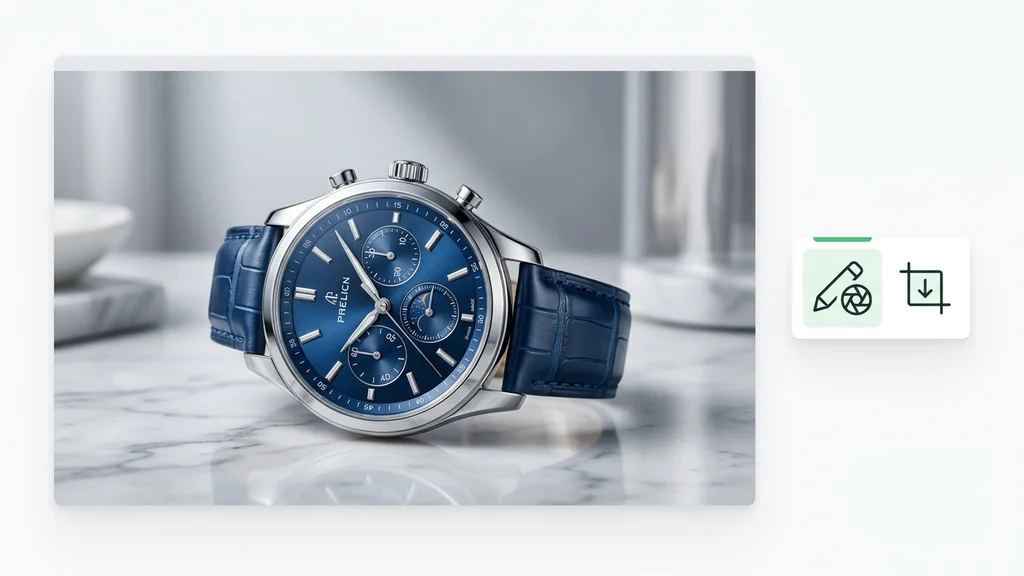
In practice, that usually means advertising stills, product hero frames, marketing visuals, mood-led campaign images, polished lifestyle scenes, and editorial concepts where prompt adherence and image quality matter more than interactive editing features.
High-end still generation
Best when the job is to generate a polished image from text rather than to repair or locally edit an existing asset.
Larger output options
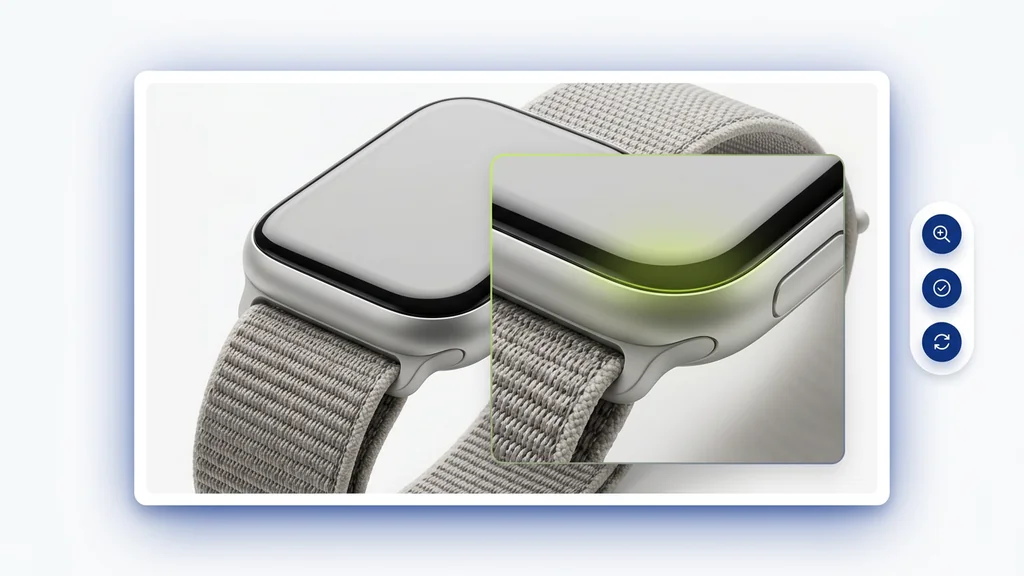
The official docs list Ultra-specific higher resolutions, which makes it more relevant for premium deliverables than the standard generate tier.
Commercial image briefs
Useful for product ads, brand campaigns, lifestyle frames, travel visuals, interior scenes, and other high-fidelity stills.
Not an edit-first page
The official support matrix does not include mask editing, outpainting, insert/remove object workflows, or product image editing on this model.
Where Imagen 4 Ultra fits better than edit-first models
The fastest way to use this page correctly is to ask one question: do you need generation or manipulation? If you need to generate a new premium still from a text brief, Imagen 4 Ultra is a strong starting point. If you already have an image and need surgical changes, compare another route first.
This distinction matters because many AI image pages overpromise. Imagen 4 Ultra is excellent when the brief starts from language. It is weaker for workflows that depend on inpainting, outpainting, object replacement, or local repair, because those are explicitly outside the supported feature set documented by Google for this model.
- Start with Imagen 4 Ultra for: polished ad stills, product marketing images, premium editorial concepts, people-led campaign frames, interiors, travel scenes, and brand visuals generated from text.
- Do not start here for: mask editing, insert/remove object jobs, outpainting, product recontext editing, or “fix this existing image” workflows.
- Think of it as: a premium generation model, not a Swiss-army editing page.
What the official docs actually confirm
The strongest way to keep this page useful is to separate verified facts from hype. The official Imagen 4 Ultra documentation confirms a small number of things clearly, and those are enough to write a good page.
| Area | Officially supported | What that means for the user |
|---|---|---|
| Inputs and outputs | Text input, image output | This route is built for text-to-image generation, not image-to-image editing. |
| Core capabilities | Image generation, digital watermarking and verification, user-configurable safety settings, prompt enhancement, person generation | Good fit for premium still generation with responsible AI controls. |
| Not supported | Style customization, controlled customization, instruct customization or style transfer, mask-based image editing, insert/remove object workflows, outpainting, product image editing, upscaling, negative prompting | If you need edits or localized changes, compare an edit-first route instead. |
| Aspect ratios | 1:1, 3:4, 4:3, 9:16, 16:9 | Enough for common ad, portrait, landscape, and social placements. |
| Supported resolutions | 1024x1024, 896x1280, 1280x896, 768x1408, 1408x768, 2048x2048, 1792x2560, 2560x1792, 1536x2816, 2816x1536 | Ultra is the right tier when higher-resolution output is part of the reason you are here. |
| Quota note | 30 regional online prediction requests per minute per base model | Relevant for higher-volume or production usage planning. |
How to prompt Imagen 4 Ultra without wasting its best qualities
The most common mistake on premium image models is writing prompts that sound artistic but not useful. Imagen 4 Ultra usually benefits more from a concrete creative brief than from a pile of adjectives. Tell it what the image is for, what the subject is, how the scene is framed, what the lighting should feel like, and what level of realism or polish you need.
This approach is especially important because the model does not solve missing structure for you. If the brief is vague, you usually get a beautiful but generic image. If the brief is specific, you have a better chance of getting something that looks like an asset instead of a mood board fragment.
Goal: premium skincare hero image.
Prompt: Create a premium skincare campaign still with one frosted glass bottle on pale limestone, warm side light, soft shadow, centered composition, luxury beauty mood, clean negative space for headline copy, highly realistic materials, 4:5 social format.
Goal: hotel lifestyle scene.
Prompt: Generate a high-end boutique hotel room at sunrise, linen bedding, warm wooden finishes, soft golden light through sheer curtains, realistic textures, premium travel editorial style, wide but calm composition, no visible text.
Goal: people-led fashion campaign still.
Prompt: Create a fashion campaign image with one model in a structured cream coat walking through a minimal city plaza, soft overcast light, realistic skin texture, clean geometry in the background, premium magazine tone, portrait crop.
Goal: premium food ad visual.
Prompt: Generate a close-up advertising image of a plated citrus dessert on brushed stone, controlled studio light, crisp highlights, shallow depth of field, premium restaurant campaign quality, realistic textures, 1:1 format.
Goal: interior design concept still.
Prompt: Create a refined living room concept with travertine coffee table, muted cream sofa, sculptural lamp, soft daylight, realistic material finish, architectural editorial style, 16:9 landscape composition.
When to compare another image model instead
No useful page should pretend one model wins every job. Imagen 4 Ultra is strong when the output is a premium still image generated from text. But if the job becomes more text-led, edit-led, or reference-led, another page may be a better first stop.
Start with Imagen 4 Ultra
when the brief is generation-first and the goal is a polished still image with premium output quality.
Compare with Seedream 4
when you want a stronger generation-plus-editing story and expect to refine the first result with prompt-based changes.
Compare with Ideogram
when the image depends on readable text, posters, labels, or layout-heavy brand graphics.
Compare with Kontext Pro
when the main job is controlled editing of an existing image instead of fresh text-to-image generation.
Compare with Imagen 4 Fast
when speed and iteration matter more than using the higher-end Ultra tier for premium output.
Use the image model hub
when you are still choosing between generation-first, typography-first, and edit-first image workflows.
What to check before you export
A beautiful still is not automatically a usable still. Before you export, test the result against the actual channel. A landing-page hero, paid social crop, travel editorial spread, and product card all have different standards for crop, detail, and empty space.
- Check the brief fit: is the image solving the real use case, not just looking expensive?
- Check the crop: does the aspect ratio still work for the real destination?
- Check the product or person details: premium output falls apart fast when hands, labels, or surfaces feel off.
- Check the negative space: if the asset needs copy later, make sure the composition leaves room for it.
- Check whether you actually needed editing: if the next step is local repair, you may be on the wrong model page.
What we verified for this guide
This page is based on primary Google Cloud documentation. The key references are the official Imagen 4 Ultra Generate model page, the official Imagen generation guide, and the official resolution configuration guide. I deliberately removed unsupported benchmark numbers, fake competitor scores, unverified API/platform claims, and feature promises that the official support matrix does not confirm.
Frequently Asked Questions About Imagen 4 Ultra
What is Imagen 4 Ultra?
Imagen 4 Ultra is Google's premium Imagen 4 text-to-image model on Vertex AI, documented under the model ID imagen-4.0-ultra-generate-001.
What is Imagen 4 Ultra best for?
It is best for premium still-image generation from text prompts: ad concepts, product visuals, people-led campaign stills, interiors, travel scenes, and other high-fidelity marketing or editorial images.
Does Imagen 4 Ultra support image editing?
No. The official support matrix does not list mask-based editing, insert/remove object workflows, outpainting, product image editing, or upscaling for this model.
What image sizes does Imagen 4 Ultra support?
The official docs list standard sizes plus larger Ultra resolutions, including 2048x2048, 1792x2560, 2560x1792, 1536x2816, and 2816x1536.
What aspect ratios are supported?
The official model page lists 1:1, 3:4, 4:3, 9:16, and 16:9.
Does Imagen 4 Ultra support person generation?
Yes. The official capabilities list for Imagen 4 Ultra includes person generation.
How should I compare Imagen 4 Ultra with other image models on Cleep?
Use Imagen 4 Ultra when you want premium generation-first stills. Compare with Seedream for generation-plus-editing workflows, Ideogram for typography-heavy design, Kontext Pro for edit-first tasks, and Imagen 4 Fast when iteration speed matters more than the Ultra tier.